Recorders' Conference
Established in 2011, the Recorders Conference has become an annual event, welcoming speakers and recorders from Cumbria and beyond.
We aim for a range of speakers and posters on a wide variety of topics - focused on a particular species, group or habitat; results of recording and monitoring projects; and ideas, techniques and resources to help you get involved. The conference offers a chance to meet others interested in exploring nature, share discoveries and learn more about the species which make their home in Lakeland.
Recorders' Conference 2026
Saturday 28th February 2026, 10am-3pm at Rosehill Theatre, nr Whitehaven CA28 6SE
A summary of the conference will shortly be available from here.
Click the links below to see the slideshows from the conference.
Talks by:
- Jody Fergusson, Cumbria Local Nature Partnership - Overview of Nature Recovery in Cumbria
- Martin Harris, CBDC Recording Officer - CBDC Recording in 2025 Wrapped!
- Carrie Hedges, University of Cumbria - The Dynamics and Future of Montane Scrub in Cumbria and the UK
- James Cobbold, Raise: Cumbria Community Forest - A Neuroaffirming Volunteer Programme for Woodland Creation
- Jude Hartley with Aimee Campbell and John Martin, Cumbria Harvest Mice Project - Cumbria Harvest Mice Project
- David Clarke, British Dragonfly Society County Recorder - The White-faced Darter Introduction Update
- Sylvia Woodhead, Cumbria GeoConservation - Cumbrian Rocks from Space and Other Developments
- University of Cumbria Wildlife Media students - A Community of Recorders screening
- Rachel Hutchinson and Stephen Henderson, Eden Rivers Trust - Using eDNA to Identify Key Species in the Upper Eden Catchment
- Matt Taylor, ecologist and bat surveyor for Duddon Valley Catchment Project - A Duddon Valley Catchment Project: Bat sound monitoring (and its bycatch)
- Mike Douglas, South Lakes Ecology - Bio-acoustic Monitoring for Breeding Bird Survey
- Jenny Garbe, West Cumbria Rivers Trust - A Wilder Walkmill (followed by a guided walk at Walkmill)
Recorders' Conference 2025 Presentations
Saturday 22nd February 2025, 10am-3pm, at Tullie House Museum and Art Gallery, Carlisle.
A summary of the conference is available HERE. If you would like a slightly more detailed overview, you can view it HERE.
Click the links below to see the slideshows from the conference.
Talks by:
- Martin Harris, CBDC Recording Officer - CBDC Recording in 2025
- Pete Jones, Skiddaw Forest Project Manager at Cumbria Wildlife Trust - Skiddaw Forest
- Rhian Ebrey, Access to Eden Project Manager at Eden Rivers Trust - Access to Eden
- Chris Hind, County Recorder - Birds and Cumbria Bird Club - Birds in Cumbria 2024
- David Clarke, British Dragonfly Society County Recorder - Dragonflies in Cumbria 2024
- Mike Porter, BSBI Vice County Recorder and Flora of Cumbria Group - Recording Highlights Plants in 2024
- Tanya Hoare, Sedbergh Community Swifts - Swifts in Cumbria
- Carrie Hedges, Angus Walsh and Georgie Stephens, Cumbria Woodlands/Plantlife - #Species Survival Fund –Rainforest Restoration Project
- Sylvia Woodhead, Cumbria GeoConservation - Geology Highlights in 2024
- Aimee Campbell, Bothel Community Wildlife Group (BCWG) - Introducing BCWG and Torpenhow Bioblitz
- David Scott-Langley, Cumbria Invertebrate Group (CIG) - Introducing CIG
Recorders' Conference 2024 Presentations
Click the links below to see the slideshows from the conference.
Talks by:
- Beth Middleton, Westmorland & Furness Council - Cumbria Local Nature Recovery Strategy
- Joe Clements & Elizabeth Ogilvie, Lowther Estate - Developments at Lowther
- Paddy Palmer & Matterdale Nature Watch - Species & Habitat Recording by the Matterdale Volunteers
- Ian Jackson - Without Geodiversity there would be no Biodiversity
- Mike Porter, Cumbria Flora Group - Vascular Plants Recording Highlights
- Pete Martin, Cumbria Lichen and Bryophyte Group - Lichen Recording Highlights
- Frank Mawby - Why do we Ring Birds?
- John Martin - The Benefits of technology: Discovering things you didn't know were there
- David Clarke, British Dragonfly Recorder for Cumbria - Odonata Recording Highlights
- Chris Hind, Cumbria Bird Group - Bird Recording Highlights
- Suzanne Collinson and Matt Carr, Cumbria Amphibian and Reptile Group - Amphibian Recording Highlights
- Suzanne Collinson, Cumberland Bat Group - Bat Update (see previous slides)
- Steve Garland - Recording Scorpionflies, Snakeflies and Snow Fleas
- Sylvia Woodhead, Cumbria Geoconservation - Revealing the Foundations
- Guy Broome - A History of Biological Recording
- David Jutson - Out of sight but not out of mind: marine shelled protozoans and microcrustacea
- David Perkins - Hairy-foot, long-tongue
Recorders' Conference 2023 Presentations
Videos of the presentations can now be viewed at CBDC Recorders' Conference 2023. You will need a password to access the site which is available to all on request. You can view the slideshows without the speaker's commentary via the links below.
Talks by:
- Stuart Colgate, Recording Officer, CBDC - Introduction to species recording and what is CBDC?
- Sylvia Woodhead, Cumbria GeoConservation - Geology Record Highlights
- David Taylor-Norman, West Cumbria Rivers Trust - Riverfly, the secret world of freshwater ecosystems
- Moustafa Eweda, Data Manager, CBDC - CBDC Projects Update
- David Clarke, British Dragonfly Society Recorder for Cumbria - Recorders’ Highlights – Dragonflies
- Mike Porter, Joint Botanical County Recorder - Recorders’ Highlights – A brief summary of Botanical activity in Cumbria
- Paul Evans, Cumbria Local Nature Partnership Manager - Cumbria’s Local Nature Recovery Strategy – a new approach or just another plan. That’s down to us!
- Stuart Colgate, Recording Officer, CBDC - Recorders’ Highlights - Fungi
Recorders' Conference 2022 - Presentations
Open Mosaic Habitats in brownfield sites - Stuart Colgate, CBDC
Updating County Wildlife sites - Deb Muscat, Stuart Colgate, CBDC
Wildlife in Cumbria Highlights 2021
-
- Amphibian, reptiles & Bats - Suzie Collinson, Cumbria Amphibian and Reptile Group/Cumberland Bat Group
- Fungi - Paul Nichol - Cumbria Fungi Group
- Harvest Mouse - John Martin, Cumbria Mammal Group
- Birds - Chris Hind - Cumbria Bird Club
- Items of Botanical interest - Mike Porter - Cumbria Botany Group
- Moths - Guy Broome and Martin Tordoff - Cumbria Moth Group
- Lichen and Bryophyte - Clare Shaw, Cumbria Lichen and Bryology Group
- Dragon & Damselflies - David Clarke, British Dragonfly Society
Designating LGS in Westmorland Dales area - Sylvia Woodhead, Cumbria GeoConservation
Recording the Past: Black Dubb Sediments - Tom Garner, Researcher
Improving Cumbria for Pollinators - Carolyn Postlethwaite and Ryan Clark, CWT
Fritillary Butterflies of Morecambe Bay - Chris Winnick, Butterfly Conservation


Recorders' Conference 2020
Our keynote speaker was Steve Garland, Entomologist and Chair of The Wildlife Trusts England Committee who talked about 'Recording Recovery - Biological Recording for a Wilder Future." The main room contained displays and posters from a range of recorders and societies:
- Cumbria Dragonfly Atlas Online
- Cumbria Lichen and Bryology Group
- Macro photography demonstration using a laptop and plug in camera
- Cumbria GeoConservation
- Get Cumbria Buzzing
- Cumbria Amphibian and Reptile Group
- Digitally colour coding red squirrel fur and the potential conservation applications
- Searching for Chrysolina oricalcia
- Found Species: Tufted Loostrife (Lysimachia thyrsiflora)
- Second Hand Natural History books for sale
- Cumbria Fungi Identification Guide for sale

Recorders' Conference 2018
This year recorders watched the first camera footage of a Pine Marten in Cumbria and learned more about their hitch hiking behavior from Kevin O'Hara Project Officer Vincent Wildlife Trust. Delegates also heard about:
- Rural and wildlife crime
- Moth recording without a trap
- Slow-worm Project Update
- Recording Geological Sites
- LOST - Looking out for Small Things

Recorders' Conference 2017
Recorders joined our Annual Conference to hear talks that included:
- National Biodiversity Network Changes and the impact on the future of CBDC
- Earthworms
- Slow worms
- House mouse project
- Stories from the Wildlife Register CBDC Recording Day highlights
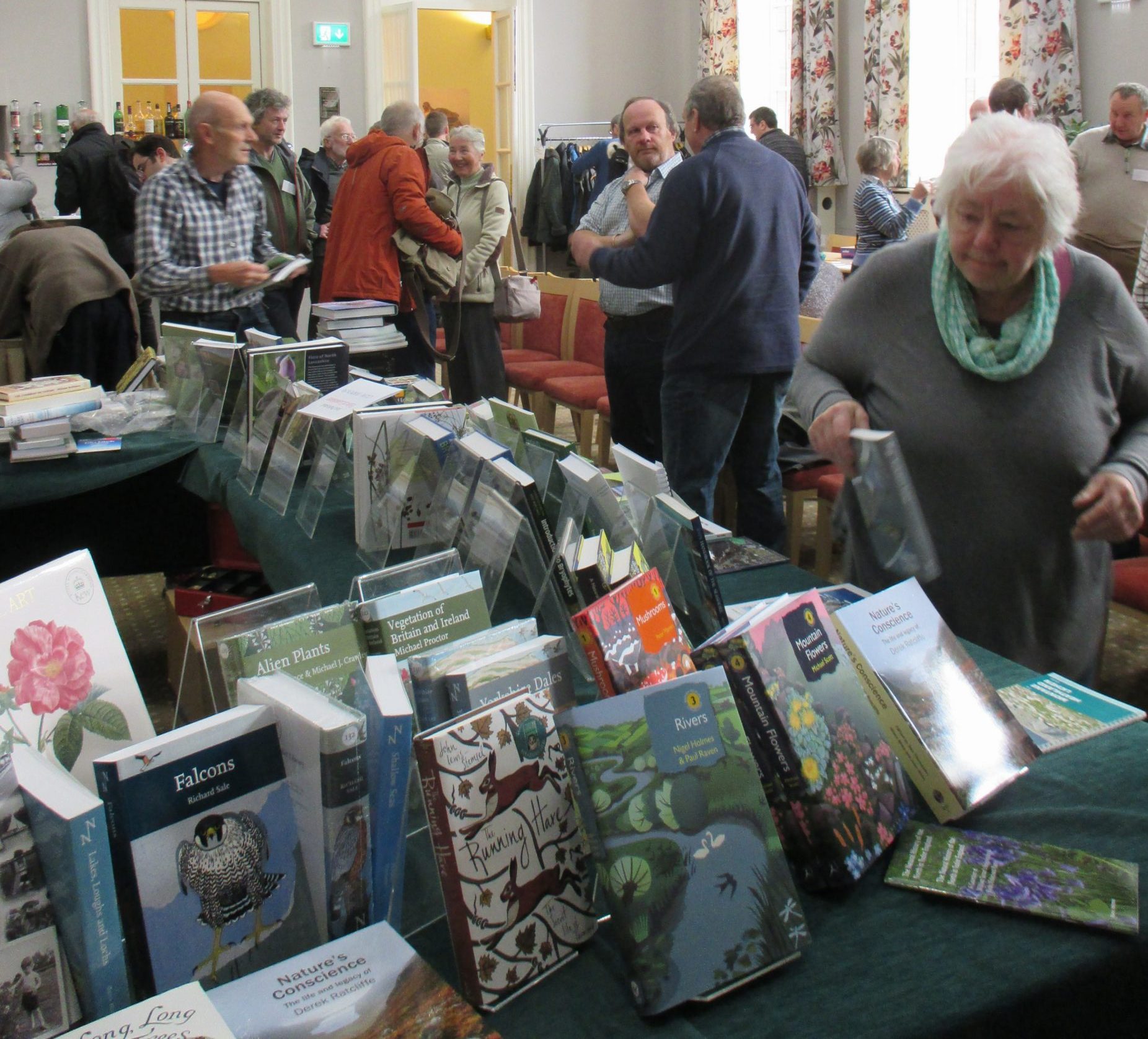
Recorders' Conference 2016
89 recorders joined our Annual conference to hear about:
- Hydroscape - a study of British Freshwaters – Dr Alan Law
- UK Dung Beetle Mapping Project – Ceri Watkins
Local recording updates included:
- Cumbria Fungi Group – Paul Nichol
- House mouse project
- Swifts in the Community – Bryan Yorke
- Bats in Trees – Rich Flight
- Mapping Cumbria’s Dragonflies – David Clarke
- Ecosystem Canaries – Peter Woodhead
- Trail Cameras and Recording Technology – John Martin

Recorders' Conference 2015
Topics included:
- Launch of the Cumbria Bird Atlas – Stephen Westerberg, Cumbria Bird Club
- Movements of Wintering Gees and Swans on the Solway – Frank Mawby
- Finding and Monitoring Dormice in Cumbria – Tony Marshall
- Lost and Found Fungi Project – Brian Douglas, Royal Botanical Gardens, Kew
- Alien vs Predator – the Harlequin ladybird in Britain, Richard Comont
- Cumbria Geoconservation Group and the Local Geological Sites

Recorders' Conference 2014
Presentations included:
- What would Darwin Tweet? – Richard Burkmar
- Polecats and Pine Martins – Elizabeth Croose, Vincent Wildlife Trust
- CBDC Habitat Connectivity Projects – Moustafa Eweda
- Recording Cumbria’s bats – Rich Flight
- Lichens of Cumbria – Allan Pentecost
- What’s at Witherslack – Jim Thomas


